
Index
- What Are Password Managers?
- Recent Trends in Password Managers and Cybersecurity
- Key Features to Look for in Password Managers
- Industries Most Dependent on Password Managers
- Best Practices for Selecting Password Managers
- Top Password Managers and Tools (Including Microsoft Options)
- AlphaKOR as a Cybersecurity Partner for Credential Protection
What Are Password Managers?
Definition and Role in Cybersecurity
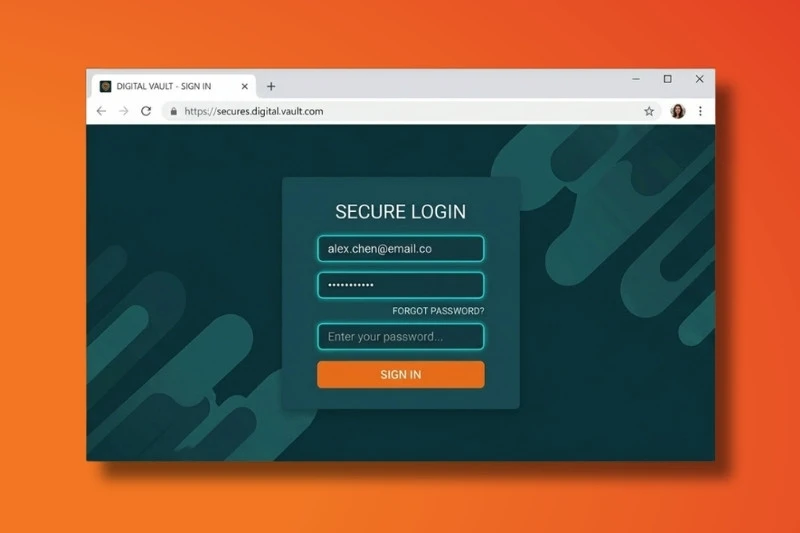
Password managers are specialized tools designed to securely store, generate, and manage credentials across systems, applications, and devices. Within modern cybersecurity frameworks, password managers are essential because they address one of the most persistent vulnerabilities in digital environments: weak and reused passwords.
Cybersecurity research consistently shows that individuals and organizations struggle to maintain strong password hygiene. Many users rely on simple, repeatable passwords or store credentials insecurely, significantly increasing the risk of unauthorized access. Password managers eliminate this issue by generating complex, unique passwords and storing them in encrypted vaults.
The importance of password managers is amplified by the rise in credential-based attacks. A substantial percentage of data breaches are linked to compromised credentials, making password managers a critical layer of defense within broader cybersecurity strategies.
How Password Managers Work
Password managers function by encrypting login credentials and storing them in a secure vault, which is accessed through a master password or biometric authentication. These tools often include autofill capabilities, allowing users to log in to applications and websites without manually entering credentials.
Modern password managers also support synchronization across devices, ensuring accessibility in distributed work environments. From a cybersecurity perspective, this centralized management improves both security and efficiency, reducing the likelihood of human error.
Business Impact of Password Managers
The adoption of password managers has a direct impact on organizational cybersecurity. Businesses that implement password managers reduce the risk of credential theft, improve compliance with security policies, and streamline access management.
Cybersecurity data indicates that organizations using password managers experience fewer credential-related incidents, highlighting their importance in protecting sensitive systems and data.

Recent Trends in Password Managers and Cybersecurity
Rise of Credential-Based Attacks
Credential theft remains one of the most common methods used in cyberattacks. As a result, password managers have become increasingly important in mitigating this risk.
Cybersecurity research shows that attackers often exploit weak or reused passwords to gain access to systems. Password managers address this vulnerability by enforcing strong password practices.
Adoption of Zero-Knowledge Encryption
Modern password managers increasingly use zero-knowledge encryption, ensuring that even service providers cannot access stored credentials. This approach enhances cybersecurity by minimizing the risk of data exposure.
Integration with Identity and Access Management
Password managers are increasingly integrated with broader identity and access management systems. This integration allows organizations to enforce policies, monitor access, and improve overall cybersecurity.
Emergence of Passwordless Authentication
While password managers remain essential, the rise of passkeys and passwordless authentication is shaping the future of cybersecurity. Many password managers now support these technologies, providing a bridge between traditional and emerging authentication methods.
Key Features to Look for in Password Managers
Selecting the right password managers requires a thorough understanding of the features that contribute to both usability and cybersecurity effectiveness.
Encryption is the most critical feature. Strong encryption algorithms ensure that stored credentials remain secure even if the system is compromised. Cybersecurity data emphasizes that encryption is the foundation of all secure password managers.
Cross-platform compatibility is equally important. Businesses operate across multiple devices and environments, making it essential for password managers to function seamlessly across platforms.
Secure sharing capabilities allow teams to collaborate without exposing credentials. This feature is particularly important in organizational settings where multiple users require access to shared systems.
Administrative controls provide visibility and governance, enabling organizations to enforce policies and monitor usage. Cybersecurity frameworks rely on these controls to maintain accountability.
Finally, breach monitoring and alerting features enhance cybersecurity by notifying users of compromised credentials, allowing for rapid response.
Industries Most Dependent on Password Managers
The reliance on password managers varies across industries, but certain sectors face unique challenges that make credential management particularly critical.
The architecture and engineering sector relies heavily on collaborative platforms and shared project environments. Employees frequently access design software, cloud storage, and client systems, often requiring shared credentials. Without password managers, this environment becomes highly vulnerable to unauthorized access and data leakage.
The hospitality technology sector depends on interconnected systems for booking, operations, and customer service. Password managers help secure access to platforms that handle sensitive customer and operational data.
The mining and natural resources industry increasingly relies on digital systems for exploration, logistics, and monitoring. Workers often operate remotely, making password managers essential for maintaining secure access across distributed environments.
The film and production industry manages valuable digital assets, including intellectual property and creative content. Password managers help ensure that access to these assets is tightly controlled and protected.
The fitness and wellness sector, particularly businesses offering digital memberships and services, must protect user accounts and payment systems. Password managers reduce the risk of unauthorized access and fraud.
The event management industry relies on multiple platforms for coordination, ticketing, and communication. Password managers provide a secure way to manage credentials across these interconnected systems.
Across these industries, password managers support both operational efficiency and cybersecurity by ensuring that credentials are handled securely.
Best Practices for Selecting Password Managers
Selecting password managers requires a strategic approach that aligns with organizational cybersecurity objectives. Businesses must evaluate tools based on both technical capabilities and operational requirements.
Scalability is a critical factor. Password managers must support organizational growth without compromising performance or usability.
Security architecture should be carefully evaluated. Organizations should prioritize password managers that use strong encryption, zero-knowledge frameworks, and secure authentication methods.
Integration capabilities are essential for ensuring that password managers function within existing IT environments. Systems that integrate well with identity management and monitoring tools provide stronger cybersecurity outcomes.
Usability is another important consideration. Password managers must be intuitive and easy to use to ensure adoption across the organization. Poor usability can lead to insecure workarounds.
Vendor reliability and support also play a key role. Choosing established providers with a strong track record in cybersecurity helps ensure long-term effectiveness.

Top Password Managers and Tools (Including Microsoft Options)
The market for password managers includes a range of solutions designed to meet different organizational needs, from small businesses to large enterprises.
1Password
Among the most widely recognized password managers is 1Password, which is known for its strong security architecture and user-friendly interface. It provides secure vaults, team sharing capabilities, and advanced administrative controls, making it a popular choice for businesses.
Dashlane
Another leading solution is Dashlane, which offers features such as dark web monitoring, credential health reporting, and integrated security tools. Its focus on visibility and proactive protection makes it particularly valuable in cybersecurity-focused environments.
Bitwarden
Bitwarden is widely recognized for its open-source model, which provides transparency and flexibility. Organizations that prioritize customization and control often choose Bitwarden as their preferred password manager.
NordPass
NordPass offers modern encryption techniques and a streamlined user experience. It is designed to balance strong cybersecurity with ease of use, making it suitable for a wide range of organizations.
RoboForm
RoboForm is another established solution, known for its efficiency in managing complex credentials and automating form entries. It is particularly useful in environments where repetitive data entry is common.
IT Glue
IT Glue is primarily an IT documentation platform rather than a traditional password manager, but it includes secure password storage and credential management features designed for managed service providers (MSPs) and IT teams. Its centralized vault helps organizations organize privileged credentials, enforce access controls, and streamline operational workflows alongside broader infrastructure documentation.
Microsoft Password Management Options
Microsoft provides integrated password management capabilities through tools such as Microsoft Edge Password Manager. This solution allows users to store and autofill credentials securely while synchronizing across devices within the Microsoft ecosystem.
In enterprise environments, password management is further enhanced through Microsoft Entra ID, which enables centralized identity and access management. This platform supports advanced authentication methods, including multi-factor authentication and passwordless sign-in.
For organizations already using Microsoft 365, these built-in capabilities provide a seamless approach to managing credentials while maintaining strong cybersecurity standards.
AlphaKOR as a Cybersecurity Partner for Credential Protection
When implementing password managers, many organizations encounter challenges related to deployment, integration, and user adoption. This is where AlphaKOR Group delivers significant value, particularly in aligning password management strategies with broader cybersecurity objectives.
A common issue in credential security is inconsistent usage of password managers across teams. Employees may adopt different tools or revert to insecure practices, creating gaps in cybersecurity. AlphaKOR addresses this by standardizing password manager implementation, ensuring consistency and policy enforcement.
Integration is another critical factor. Password managers must function seamlessly within existing IT environments, including identity management and monitoring systems. AlphaKOR ensures that these integrations are properly configured, enhancing both usability and cybersecurity.
User adoption is equally important. Even the most advanced password managers are ineffective if employees do not use them correctly. AlphaKOR provides training and support to ensure that users understand how to leverage these tools effectively.
Additionally, AlphaKOR incorporates password managers into a broader cybersecurity framework that includes monitoring, threat detection, and incident response. This holistic approach ensures that credential security is part of a comprehensive defense strategy.
Conclusion
Password managers are a critical component of modern cybersecurity, addressing one of the most persistent vulnerabilities in digital environments: weak and reused credentials. As cyber threats continue to evolve, the importance of effective password management will only increase.
Organizations that carefully evaluate and implement password managers—supported by best practices, advanced tools, and experienced partners—are better positioned to protect their systems and data.
In today’s interconnected business environment, password managers are not just a convenience; they are a strategic necessity for maintaining strong cybersecurity and ensuring long-term resilience.
